Escaping the 24-Hour Thought Cycle Through Massage
Finding peace of mind in a world that never stops thinking — how physical release brings mental calm.


Finding peace of mind in a world that never stops thinking — how physical release brings mental calm.
We live in an age of relentless mental noise. Every ping, post, and passing thought demands attention, training our minds to stay switched on long after the world has gone quiet. The brain becomes a busy roundabout of what-ifs, to-do lists, and self-talk that rarely stops turning.
This constant stimulation prevents true rest, even when we sleep or take time off. Massage interrupts this momentum. By anchoring awareness in the body’s sensations — the rhythm of breath, the feel of muscle and skin — it gives the mind permission to pause. In that pause, space reappears for calm, clarity, and genuine stillness.
Our minds are conditioned to prioritise activity over recovery. The moment we slow down, unease often surfaces, as though rest itself feels unsafe. Yet this discomfort is precisely the signal that our systems are overloaded. We resist switching off because modern life equates productivity with worth — but the body has other wisdom. It asks for balance, for moments where energy is restored rather than spent. Massage helps bridge that gap, guiding the nervous system back toward equilibrium through deliberate, nurturing stillness.
Every thought triggers a chemical response. When stress or urgency dominate, the body releases adrenaline and cortisol, subtly tightening muscles to prepare for action. Shoulders creep upward, jaws set, breath shortens — not because we are in danger, but because the mind behaves as though we are. Over time, this becomes chronic tension. Massage reverses this cycle by softening tissue, lengthening the breath, and signalling to the brain that the threat has passed. The result is more than relaxation — it’s the restoration of trust between mind and body.
The idea that the body and mind are separate is a modern illusion. Emotion, memory, and thought all leave traces in physical form. The way we hold ourselves — posture, expression, even breathing rhythm — mirrors our inner state.
When we’re anxious, the body curls inward; when calm, it opens. Massage works not only on muscle fibres but on this conversation between the physical and emotional selves. Each stroke acts as a reminder that we are whole — not a body carrying a mind, but a single, integrated system that feels and heals through connection.
Stress has weight, and the body is where it lands. Tight shoulders, clenched jaws, stiff necks — these are all physical responses to emotional load. The more we suppress or ignore inner tension, the deeper it burrows into tissue and fascia. Massage offers a compassionate release. It doesn’t force change but invites the body to let go in its own time. As muscles ease, the mind often follows, releasing not just strain but stories — the beliefs and worries held beneath the skin.
Our nervous system acts as the control centre for everything we feel. When we are stressed, the sympathetic response takes charge — raising heart rate and muscle tone. Massage encourages the parasympathetic response instead, shifting the body into a state of recovery. This is when digestion improves, breathing deepens, and the mind becomes quiet. By repeatedly guiding clients into this state, massage teaches the nervous system what safety feels like again — a skill that extends far beyond the treatment table.
Massage is more than a treatment for tired muscles — it is a direct route back to presence. In a world where the mind constantly races ahead, the physical act of touch anchors awareness in the moment. Every movement and breath becomes a conversation between therapist and client, muscle and mind. This grounded awareness begins to dissolve the constant hum of overthinking, replacing it with quiet attention and deep rest. What follows is not just relaxation but the return of clarity and connection to the self.
Human touch has a profound impact on the nervous system. Gentle, rhythmic pressure activates sensory receptors in the skin that send calming signals to the brain, triggering the release of serotonin and oxytocin — chemicals that foster trust, comfort and ease. These responses lower blood pressure, slow the heart rate and balance the stress hormones that drive anxiety. Massage, in this sense, is a biological dialogue: one that reminds the body how to feel safe again.
Stress is a physiological loop — the body braces for threat, and the mind interprets that tension as further danger. Massage interrupts this by changing the body’s input signals. Slow, consistent touch tells the brain that the environment is safe, shifting the nervous system from fight-or-flight to rest-and-digest. The cycle of stress breaks not through thought, but through sensation. As muscles release, the mind follows, no longer trapped in its own urgency.
Massage invites awareness back into the body — into the rhythm of breath, the weight of limbs, and the texture of stillness. This sensory focus draws energy away from mental rumination and into direct experience. Clients often describe a sense of time slowing down or even disappearing altogether. It’s in these moments that mental noise fades, replaced by a quiet state of alert calm — a reminder that peace is not something we find, but something we return to.
Letting go is not a single act but a gradual unlearning. It requires trust — in the body, in the process, and in the idea that ease does not need to be earned. Many of us hold tension as protection, believing that control will keep us safe. Massage gently challenges this belief. By showing the body it can relax without losing strength, it teaches a subtler kind of resilience — one rooted in balance rather than effort.
Relaxation once came naturally. As children, we could run, play, and then rest completely. Adulthood replaces that spontaneity with constant alertness. The muscles forget how to soften, and the mind forgets how to stop. Massage reintroduces this forgotten rhythm, guiding the nervous system through cycles of release and renewal. Over time, this becomes a skill that the body remembers — to unwind on its own, even amid life’s demands.
When we stop forcing the mind to be quiet and instead give the body permission to rest, calm emerges by itself. Massage provides this opening. The stillness that follows is not empty — it’s full of presence, the way a lake becomes clear when its surface stops moving. In this natural pause, ideas often realign and emotions find balance, without the need for words or analysis.
The effects of massage don’t have to end when you leave the table. Its real power lies in teaching your body how calm feels — and how to return there. By noticing tension as it appears and pausing before it builds, we can integrate stillness into daily life. Even brief moments of awareness — a deeper breath, a stretch, a slower step — can shift the day’s rhythm toward ease.
Try treating each day as an opportunity to reconnect with your body. Take mindful pauses, check your posture, or breathe deeply before reacting to stress. These small acts mimic the same nervous system reset that massage provides, helping to maintain clarity and comfort throughout the day. The goal isn’t constant serenity, but the ability to return to calm more quickly when life becomes demanding.
Stillness is a practice, not an event. Like fitness, it strengthens with repetition. Schedule time to rest without distraction — not as luxury, but necessity. Massage can be the catalyst for this discipline, showing that ease is not a reward but a state we can cultivate intentionally. Over time, calm becomes less something you chase, and more the ground you stand on.
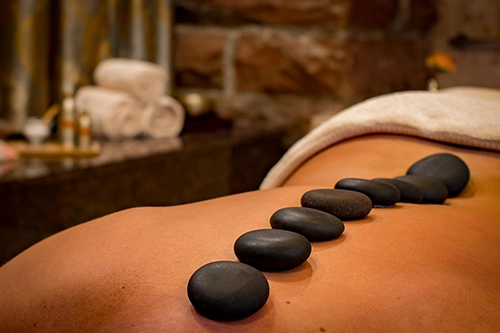
At Aroma Massage in Godalming, we provide a tranquil space for clients to unwind and rejuvenate. Whether you’re looking for relief from muscle tension with a deep tissue massage, the warmth of a hot stone treatment, or relaxation through a traditional massage, each session is tailored to meet your specific needs. Situated conveniently just off Godalming High Street, we're open daily from 9:30 to 21:30 to help you find balance and relaxation whenever you need it.

Our mission is to empower individuals on their journey to holistic wellbeing by providing personalised, compassionate, and effective massage therapy. We are dedicated to creating a tranquil and healing environment where our clients can rejuvenate their bodies, minds, and spirits. With our extensive experience and passion for health, we aim to enhance our clients' quality of life by alleviating stress, reducing pain, and promoting overall balance. We believe in the transformative power of touch and are committed to making a positive impact on the lives of those we serve.

At Aroma Massage in Godalming, we offer personalised treatments in a serene setting—from deep tissue and hot stone massages to traditional relaxation sessions—conveniently located just off the High Street and open daily from 9:30 to 21:00.