The Body Connection: How Tension in One Area Can Cause Pain Elsewhere
Discover how muscle tightness in one part of your body can trigger discomfort in seemingly unrelated areas – and what you can do to restore balance.


Discover how muscle tightness in one part of your body can trigger discomfort in seemingly unrelated areas – and what you can do to restore balance.
When one part of the body experiences tension, it can trigger a ripple effect, causing discomfort in seemingly unrelated areas. This happens because the body's muscles, fascia, and joints are interconnected. A tight muscle can pull on surrounding structures, altering posture and movement. Over time, these compensations create imbalances that contribute to chronic pain and stiffness. Understanding how tension spreads is key to finding long-term relief and preventing recurring discomfort.
Muscles function as part of a larger network, meaning tightness in one area can strain others. For example, tight hamstrings may tilt the pelvis, leading to lower back strain. Similarly, shoulder tension can contribute to headaches as neck muscles overcompensate. This phenomenon, known as referred pain, explains why treating the site of discomfort alone may not lead to lasting relief. Addressing the root cause of tightness is essential for effective pain management.
It may seem surprising, but neck tension can contribute to lower back pain. The spine functions as a connected chain, meaning misalignment in one section can affect the whole structure. Forward head posture, often caused by excessive screen time, places strain on the upper spine, forcing the lower back to compensate. Over time, this results in stiffness and discomfort. Addressing neck tension through stretching, strengthening, and massage can help restore alignment and relieve strain on the lower back.
Muscle imbalances develop when certain muscles become overworked while others weaken. This leads to pain, restricted movement, and an increased risk of injury. Some of the most common problem areas include the shoulders, lower back, hips, and knees. Poor posture, repetitive movements, and prolonged sitting often contribute to these imbalances. Identifying and correcting them is crucial for maintaining mobility and reducing chronic pain.
Fascia is a web-like connective tissue that surrounds muscles, bones, and organs, playing a key role in movement and flexibility. When it becomes tight or restricted, tension can spread throughout the body. For instance, restricted fascia in the calves can contribute to foot pain, while stiffness in the back can limit hip mobility. Techniques such as myofascial release, stretching, and massage help maintain healthy fascia, reducing muscle tension and improving movement.
Referred pain occurs when discomfort is felt in a different area from the actual source of the problem. This happens because nerves and muscles are interconnected, meaning dysfunction in one region can trigger pain signals elsewhere. For example, tight glutes may cause sciatic pain down the leg, and a misaligned pelvis can contribute to knee discomfort. A whole-body approach to treatment is essential for lasting relief and improved mobility.
Posture plays a fundamental role in muscle health. Poor alignment can lead to chronic tension, as some muscles become overworked while others weaken. Slouching, extended sitting, and repetitive movements all contribute to tightness, which, over time, forces the body to compensate in other areas. This strain can result in widespread discomfort and increase the risk of injury.
Stress doesn’t just affect the mind—it also impacts the body. When stressed, the body releases cortisol, a hormone that causes muscles to tighten and remain in a contracted state. This often leads to tension headaches, tight shoulders, and lower back discomfort. If left unchecked, chronic stress can create a cycle of muscle stiffness and pain. Incorporating relaxation techniques, deep breathing, and massage can help relieve these physical symptoms.
Many people unknowingly engage in habits that contribute to muscle tightness. Sitting with crossed legs, carrying a heavy bag on one shoulder, or looking down at a phone for prolonged periods all place excessive strain on muscles and joints. Even sleeping in an awkward position can cause stiffness. Becoming aware of these habits and making small adjustments—such as improving posture, taking movement breaks, and using ergonomic support—can help prevent chronic muscle strain.
Massage therapy is one of the most effective ways to release muscle tension and restore balance. By targeting areas of tightness, massage improves circulation, reduces inflammation, and encourages relaxation. Deep tissue techniques break down adhesions in the fascia, while gentle strokes promote lymphatic drainage, helping the body eliminate toxins. Regular massage prevents stiffness and discomfort, keeping muscles flexible and functional.
Stretching and mobility exercises are crucial for maintaining muscle health and preventing imbalances. Tight muscles restrict movement and can lead to discomfort, but regular stretching increases flexibility, improves blood flow, and reduces injury risk. Incorporating dynamic stretches before exercise and static stretches afterward can aid recovery. Foam rolling and yoga are also effective tools for improving mobility and preventing tightness from accumulating.
If muscle tightness persists and affects daily activities, seeking professional help is essential. A massage therapist, physiotherapist, or chiropractor can assess movement patterns, identify imbalances, and provide targeted treatment. Chronic tightness may indicate deeper issues such as nerve compression, postural misalignment, or underlying medical conditions. Addressing the root cause ensures long-term relief rather than just treating symptoms.
When one muscle becomes tight or weak, the body compensates by shifting strain to surrounding muscles. This can create a chain reaction of imbalances, leading to discomfort in unexpected areas. For example, tight hip flexors from prolonged sitting can place excessive strain on the lower back. Recognizing these patterns allows for a more effective approach to preventing and treating muscle tension.
Preventing muscle imbalances starts with awareness and proactive care. Maintaining good posture, staying active, and varying movement patterns throughout the day helps keep muscles balanced. Strength training that targets both sides of the body equally, regular stretching, and bodywork such as massage all contribute to better muscle health. Being mindful of repetitive movements and correcting poor posture early can prevent long-term discomfort.
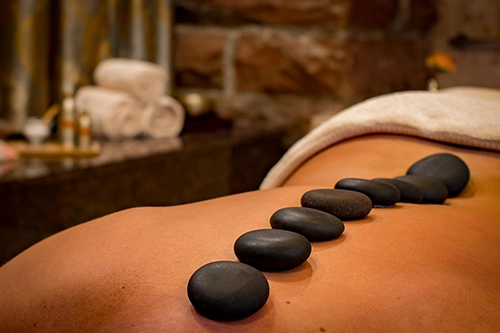
At Aroma Massage in Godalming, we provide a tranquil space for clients to unwind and rejuvenate. Whether you’re looking for relief from muscle tension with a deep tissue massage, the warmth of a hot stone treatment, or relaxation through a traditional massage, each session is tailored to meet your specific needs. Situated conveniently just off Godalming High Street, we're open daily from 9:30 to 21:30 to help you find balance and relaxation whenever you need it.

Our mission is to empower individuals on their journey to holistic wellbeing by providing personalised, compassionate, and effective massage therapy. We are dedicated to creating a tranquil and healing environment where our clients can rejuvenate their bodies, minds, and spirits. With our extensive experience and passion for health, we aim to enhance our clients' quality of life by alleviating stress, reducing pain, and promoting overall balance. We believe in the transformative power of touch and are committed to making a positive impact on the lives of those we serve.

At Aroma Massage in Godalming, we offer personalised treatments in a serene setting—from deep tissue and hot stone massages to traditional relaxation sessions—conveniently located just off the High Street and open daily from 9:30 to 21:00.